
Sungai Buloh has evolved considerably from its origins as a quieter township in northern Selangor. Today, it is an established residential area with access to major highways, rail connections, healthcare facilities, schools, shopping and recreational spaces.
For homebuyers looking for a new property in Sungai Buloh, the appeal is not simply about having a new home. It is about living in a location that can support everyday life while remaining connected to the wider Klang Valley.
So, what is it actually like to live in Sungai Buloh?
Some of the area’s demographic and economic figures help put its growth and residential appeal into context.
The figures should be read according to their geographic and statistical definitions. Some refer specifically to Mukim Sungai Buloh, while others cover the wider P.107 parliamentary constituency or Selangor. They nevertheless provide useful context for understanding the area’s population, household profile and economic environment.
For many households, one of Sungai Buloh’s main advantages is the combination of connectivity, established amenities and access to green spaces.
The area provides access to major road networks including the North-South Expressway, Guthrie Corridor Expressway and LATAR Expressway. Sungai Buloh is also served by an integrated rail connection. The Sungai Buloh MRT station connects with the KTM network and provides park-and-ride and feeder-bus facilities.
For residents, this creates multiple ways to get around, whether commuting by car or using public transport.
Living in Sungai Buloh does not mean having to travel into central Kuala Lumpur for every daily need.
The area has established commercial centres, supermarkets, restaurants, schools, healthcare facilities and recreational spaces. For everyday shopping, residents have access to SB MALL, while KIPMall Desa Coalfields serves residents in the wider Sungai Buloh area.
There are also numerous neighbourhood grocery stores and commercial areas throughout the established residential communities. For outdoor recreation, residents can access local parks and recreational spaces, while larger destinations such as Elmina Central Park are also within the broader northern Selangor area.
This combination is particularly relevant for families who want everyday convenience without giving up access to open spaces.
Healthcare is another established part of Sungai Buloh’s infrastructure.
Sungai Buloh Hospital is a major public healthcare facility serving the surrounding population, with specialist, rehabilitation, emergency and supporting medical services. The area is also home to Hospital UiTM Sungai Buloh and other private healthcare providers, giving residents access to multiple healthcare options.
Education is similarly varied, with schools and educational institutions serving different stages of life. International schools are also accessible within the broader Sungai Buloh area.
For families considering a new home, having healthcare and education within the locality can be an important factor when assessing whether an area is suitable for long-term living.
One of the reasons Sungai Buloh has become increasingly attractive to Klang Valley homebuyers is its connectivity.
By road, the area connects into several major routes serving different parts of Selangor and Kuala Lumpur.
By rail, Sungai Buloh station provides an interchange between the MRT Putrajaya Line and KTM network. The Putrajaya MRT Line connects Sungai Buloh with destinations including Kepong, Titiwangsa, KLCC, TRX, Sungai Besi, Cyberjaya and Putrajaya.
This gives residents alternatives depending on where they work, study or spend their time. For commuters, that flexibility can be particularly useful. A home does not have to be located in the city centre to remain connected to it.
Perhaps the defining characteristic of living in Sungai Buloh is the balance between urban connectivity and a less central residential setting.
Residents can access major transport networks, healthcare, education, shopping and employment areas while still being close to the greener, more suburban parts of northern Selangor.
The demographic figures also point to an established residential population. With more than 220,000 people in Mukim Sungai Buloh recorded in the 2020 Census and an average household size of 3.6 people, the area has a substantial existing household base.
For families, this can mean practical day-to-day living. For young professionals, it can provide access to the wider Klang Valley without necessarily living in a city-centre environment.
A new property development adds another option to an area that is already supported by established infrastructure.
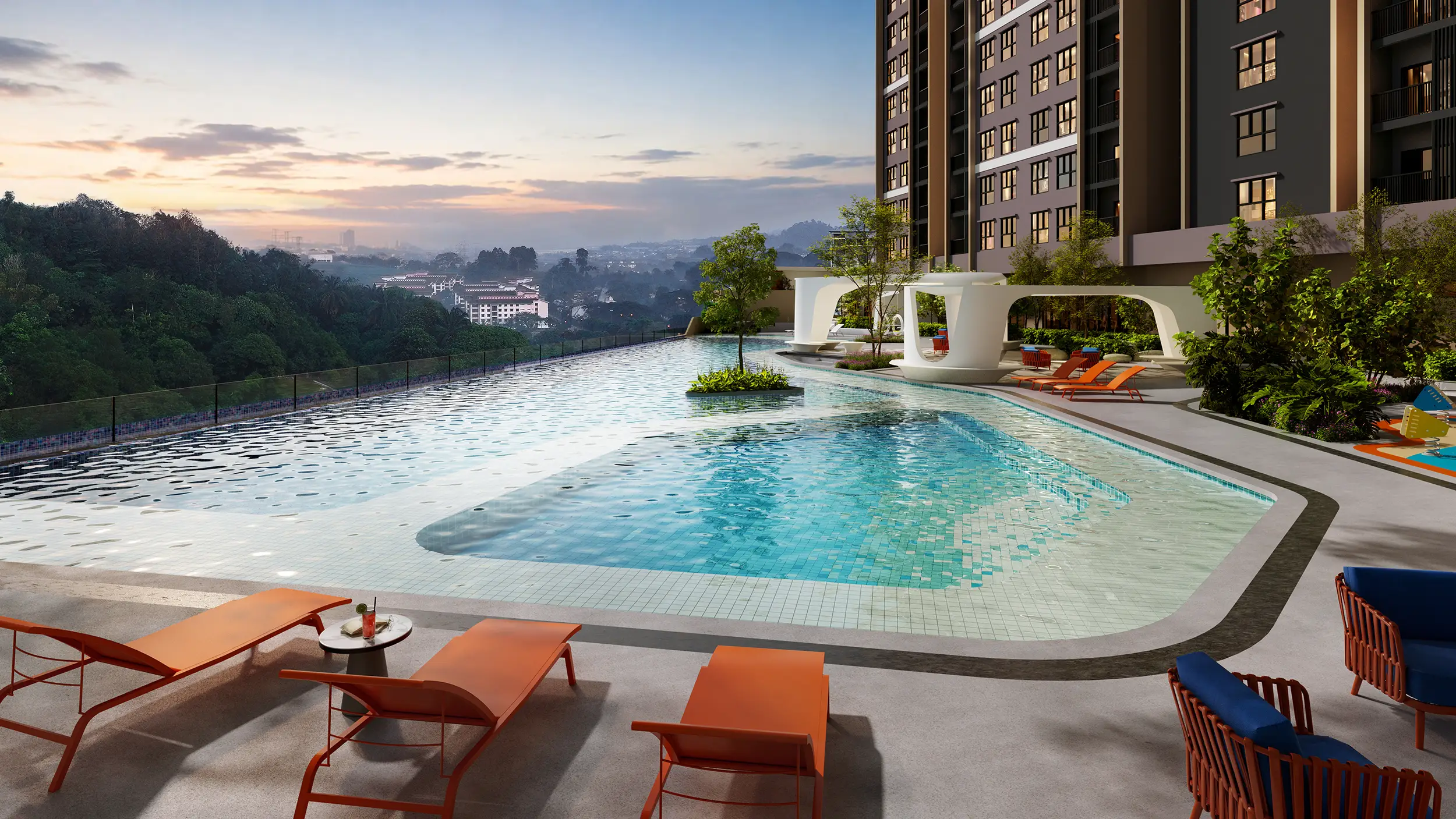
For Astaka Hills the opportunity is to combine the advantages of a new home with the convenience of living within Sungai Buloh’s established ecosystem.
Its location along Jalan Hospital places residents within reach of Hospital Sungai Buloh, UiTM Sungai Buloh, the MRT and KTM lines, and the North-South Expressway, while the development itself offers multiple unit types, retail downstairs and nature nearby
For buyers asking whether Sungai Buloh is a good place to live, the answer ultimately depends on what they need from their location.
But for those looking for a connected residential environment with established amenities, healthcare, education, recreation and access to the wider Klang Valley, Sungai Buloh offers a combination worth considering.
And with new developments continuing to add housing choices to the area, it is becoming increasingly possible to make that combination part of everyday life.